Fundamental #4: Advocate Peace
Fundamental #4: Advocate Peace
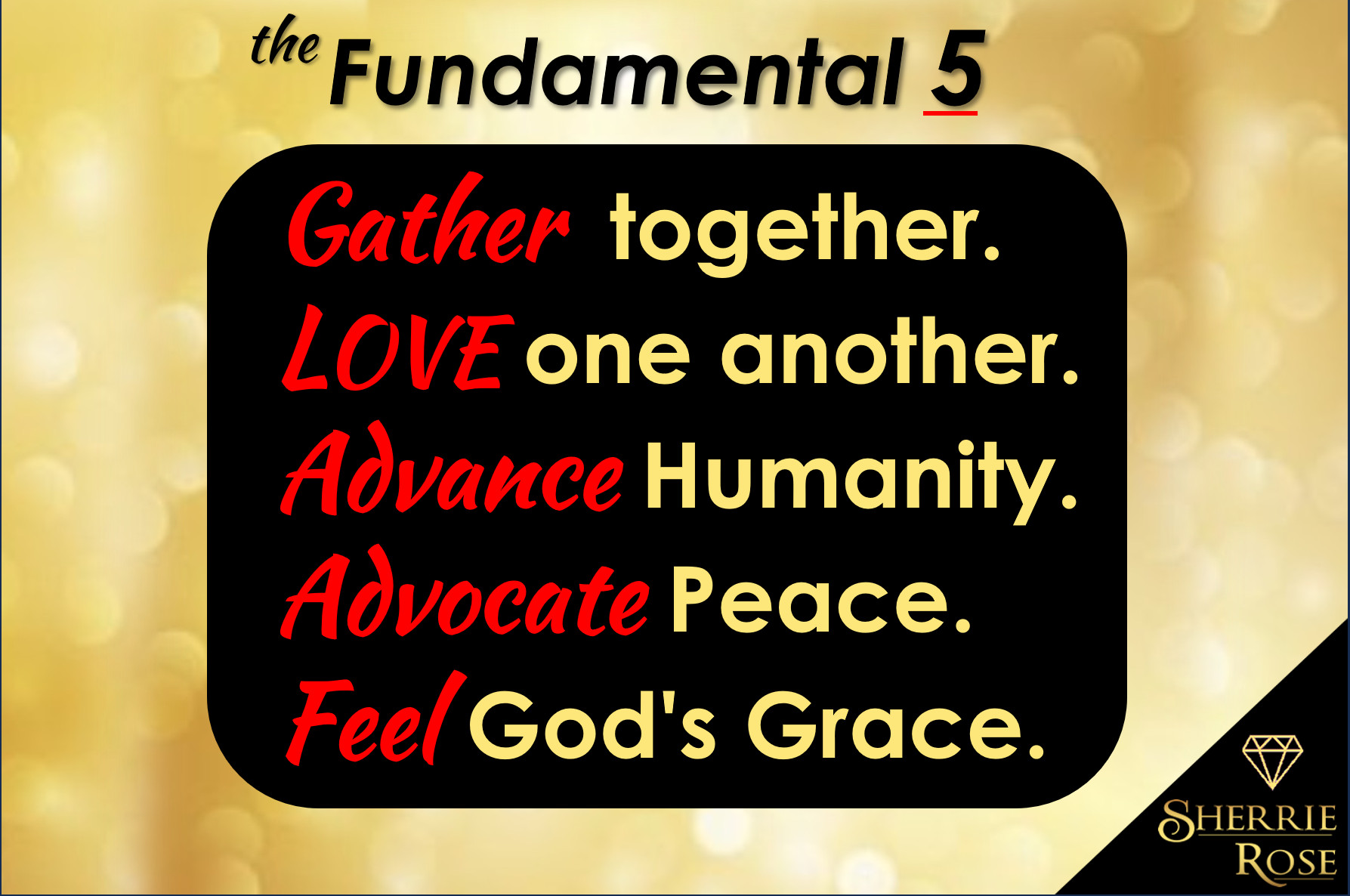
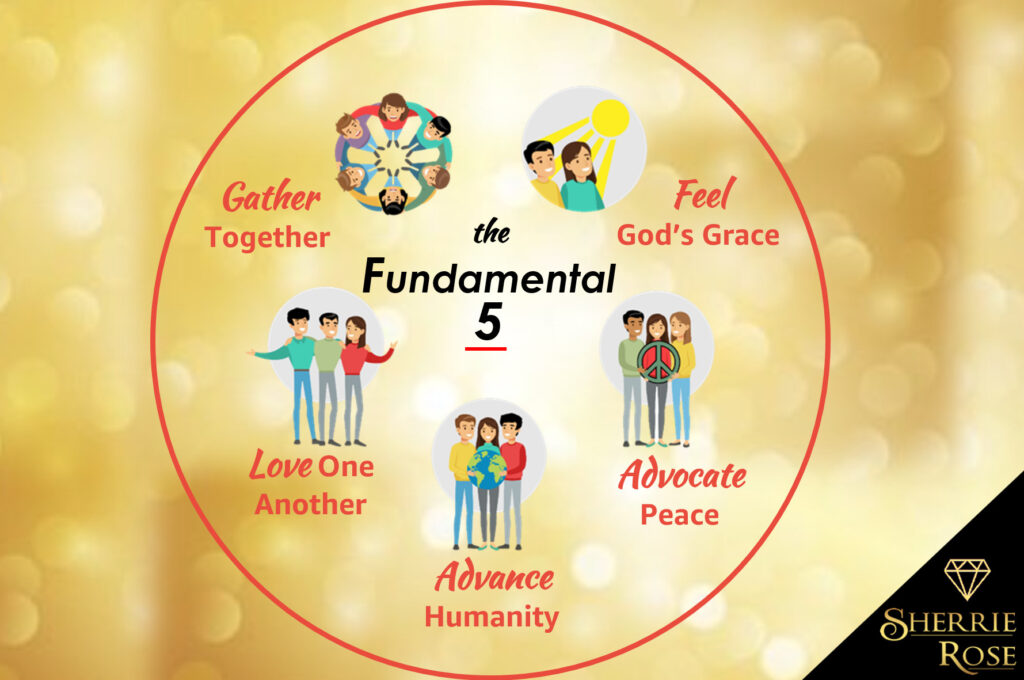
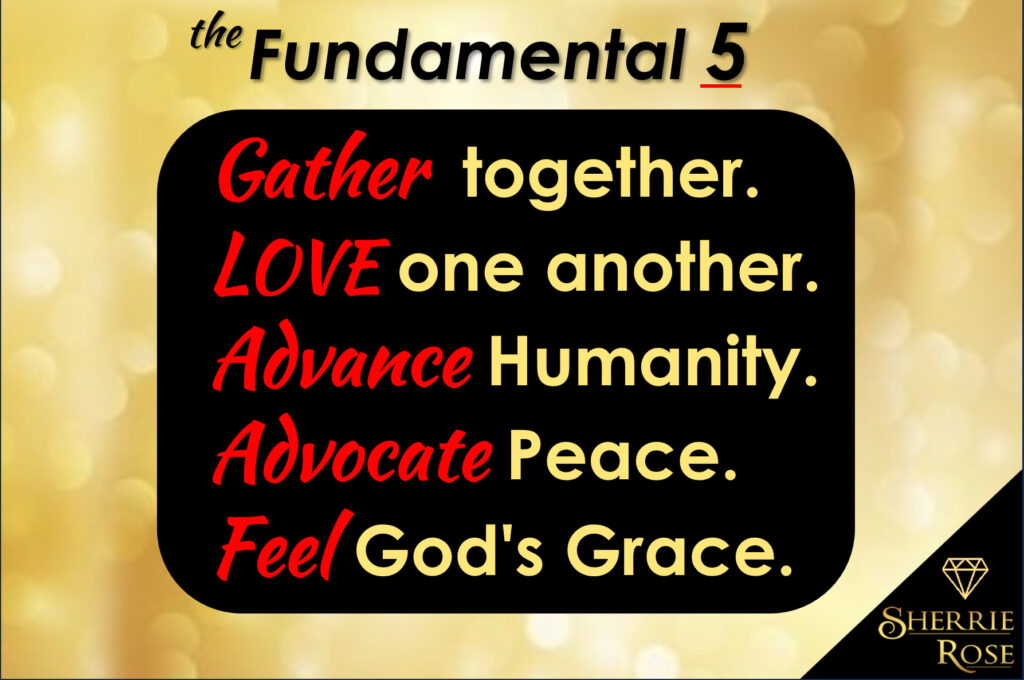
Fundamental 4 of the fundamental 5 for humanity is Advocate Peace
Advocate Peace: A Call to Human Dignity in an Fractured World
Peace is under pressure in 2026. Tension shows up across borders and within everyday life, threading through diplomatic cables and dinner table conversations alike. In Venezuela, instability continues to shape how families live and plan, each day a negotiation between hope and uncertainty. Developments involving Iran influence regional security and global anxiety, rippling outward in ways that touch economies, alliances, and the quiet fears people carry about what comes next. Even Greenland, long viewed as distant from conflict, is now part of wider geopolitical attention, a reminder that no place remains untouched by the gravitational pull of power and interest. These realities remind us how closely connected the world has become—not just through infrastructure and information, but through shared vulnerability.
“When the power of love overcomes the love of power the world will finally know PEACE.” ~ Jimi Hendrix
The Weight of Names
When events unfold at a distance, people are often reduced to names on a screen. They become numbers in a ticker, faces in a montage, voices flattened into data points that scroll past before we’ve finished our coffee. But with time and proximity, those names recover their weight. They become daughters and fathers, neighbors and colleagues, people whose absence creates a specific, irreplaceable hole in the world.
Last year, Charlie Kirk was more than rhetoric. Two students in Colorado were more than statistics. Each life represented relationships, responsibility, and grief that cannot be absorbed into opinion or debate. They were people who had morning routines and inside jokes, who were learning to drive or teaching someone to cook, who had plans for next summer and unfinished conversations they thought they’d have time to return to. Their deaths left behind people who will set an extra place at the table by habit, who will hear a song and have to pull over, who will carry that absence daily in ways the rest of us will never fully understand.
Beyond Passive Indifference
This moment asks for a response rooted in dignity. One that resists turning suffering into content or using death to score points. One that refuses the easy path of outrage without action, or worse, the weaponization of tragedy for ideological gain. Every name carries a story. Every life is held by someone who will feel its absence daily—in the quiet moments, in the milestones that arrive without them, in the ordinary rhythms of life that suddenly contain an unbearable gap.
The call to peace is not passive. It is not the same as silence or withdrawal or the comfortable avoidance of difficult truths. It requires attention—the willingness to look at what is actually happening, not what we wish were happening or what fits neatly into our existing understanding. It requires restraint—the discipline to pause before responding, to weigh the impact of our words, to consider whether we are contributing to understanding or simply adding to the noise. And it requires care in how we speak and respond, recognizing that language shapes reality, that the way we talk about people and events either honors their humanity or erodes it.
The Power of Language and Silence
Language matters. The difference between “casualties” and “people who died” is not semantic—it’s moral. The choice to name someone or reduce them to a category is a choice about whose humanity we’re willing to acknowledge. The framing of a conflict as inevitable or preventable, as a clash of civilizations or a failure of diplomacy, shapes how millions of people understand what is happening and what is possible.
So does silence when outrage would be easier. There are moments when the most responsible thing is to not speak, to resist the pressure to have an immediate take, to acknowledge that some situations demand more listening than commentary. In a culture that rewards the quickest reaction, that treats every event as an opportunity for content creation, choosing silence is its own form of resistance.
Advocating peace means refusing to flatten human lives into arguments, even when emotions run high. It means recognizing that behind every political position are people whose lives hang in the balance, whose safety and futures are not abstract questions but daily realities. It means holding space for grief without turning it into spectacle, for anger without letting it curdle into dehumanization, for hope without demanding that it justify inaction.
A Day of Shared Pause
On September 21, 2026, the International Day of Peace offers a shared pause. Not a solution to conflict, but a reminder of responsibility. It is an invitation to step back from the relentless churn of news cycles and social media battles and ask: What am I contributing? How am I speaking about people I disagree with? Am I treating human suffering with the gravity it deserves, or am I using it to reinforce my own sense of righteousness?
Peace grows when people choose to see the human first, before the political affiliation or nationality or religious identity. It grows when we honor grief without spectacle, allowing people the dignity of their pain without demanding they perform it for our consumption or let us appropriate it for our causes. It grows when we act with consideration for those who carry the cost long after headlines move on—the families rebuilding, the communities healing, the children growing up in the shadow of what was lost.
The Daily Work of Peace
Peace is sustained not only by agreements and institutions, but by daily choices to protect human dignity. The treaties and frameworks matter, certainly. The work of diplomats and peacebuilders and international organizations is essential. But peace is also built in smaller spaces: in the decision to listen to someone whose views challenge ours, in the refusal to share unverified information that could incite harm, in the choice to extend the benefit of the doubt, in the willingness to apologize when we get it wrong.
Advocating peace begins there—in the unglamorous work of examining our own responses, challenging our own biases, resisting the pull toward tribalism and certainty. It begins in recognizing that we are all capable of dehumanizing others when we feel threatened or righteous, and choosing vigilance against that tendency in ourselves. It begins in the small acts of consideration that acknowledge the full humanity of every person, even and especially those we will never meet, whose suffering we will only ever know secondhand.
In a world where peace is under pressure from so many directions, where the news seems designed to leave us either numb or enraged, advocacy for peace is both more difficult and more necessary. It asks us to hold complexity without retreating into cynicism, to maintain hope without slipping into naivety, to care deeply while protecting ourselves from compassion fatigue. It asks us to remember that behind every headline is someone’s child, someone’s parent, someone’s irreplaceable person.
The work of peace is not dramatic. It does not often make headlines or go viral or receive recognition. But it is the work that makes all other work possible. It is the foundation on which we build everything else we hope to accomplish or become. And it starts with a simple, profound commitment: to see the human first, always, and to let that seeing guide everything that follows.
What Can YOU Do to Advocate Peace?
Peace is not just the work of diplomats and world leaders. It is built in the spaces where you live, work, and connect with others. The gap between global conflict and individual action can feel overwhelming, but peace advocacy begins with choices you make every day—in how you speak, listen, and respond to the world around you.
Start With Your Own Circle
Practice informed restraint in conversations. Before sharing news about conflict or tragedy, verify the source. Ask whether spreading this information serves understanding or simply amplifies anxiety. When discussing sensitive events, lead with facts rather than speculation. The line between staying informed and consuming outrage is thin, and crossing it doesn’t make you more engaged—it makes you less capable of meaningful response.
Choose your words with intention. When talking about people in conflict zones or political opponents, use language that preserves their humanity. The shift from “those people” to “people living in…” seems small but changes everything. Avoid rhetoric that dehumanizes, even when describing those whose actions you find reprehensible. You can condemn actions without erasing the humanity of actors.
Create space for difficult conversations. Peace advocacy doesn’t mean avoiding disagreement. It means engaging disagreement with curiosity rather than contempt. When someone shares a view that challenges you, try “Help me understand your perspective” before launching into counterarguments. Not every conversation will change minds, but changing how we disagree matters.
Listen More Than You Speak
Seek out unfamiliar perspectives. Read news from sources outside your usual media diet. Follow people who see the world differently than you do. Not to agree with everything they say, but to understand the reasoning behind different conclusions. Peace requires the capacity to hold multiple truths simultaneously—to recognize that people can be genuinely harmed by opposing policies, that security concerns can be legitimate even when responses to them are not.
Sit with discomfort. When you encounter a story that disturbs you, resist the urge to immediately process it through commentary or sharing. Sometimes the most respectful response to suffering is to simply bear witness to it, to let it affect you without turning it into content. Grief deserves space before analysis.
Amplify voices from affected communities. When conflicts arise, prioritize listening to people who are actually living through them rather than pundits analyzing from a distance. Seek out journalists, writers, and everyday people sharing their experiences directly. Let them shape your understanding before forming strong opinions.
Take Thoughtful Action
Support organizations doing peace work. Research groups working in conflict resolution, refugee assistance, trauma healing, or reconciliation efforts. Even small donations matter. If you can’t give financially, share their work, attend their events, or volunteer your skills. Peace infrastructure needs sustained support, not just attention during crises.
Engage your representatives. Contact elected officials about policies that affect peace and conflict. Be specific: rather than “support peace,” advocate for particular legislation, funding for diplomatic efforts, or restraint in military action. Local officials matter too—cities and states make decisions about refugee resettlement, hate crime response, and community policing that directly affect whether peace takes root locally.
Mentor or support young people. Many cycles of violence are perpetuated because pain and anger are passed down through generations. Investing time in young people—through tutoring, mentorship, or youth programs—plants seeds of peace that may take years to grow. Help them develop critical thinking skills, emotional intelligence, and the capacity to see beyond tribal identities.
Build Peace in Your Community
Address local tensions before they escalate. Pay attention to rising prejudice or discrimination in your community. Speak up when you hear dehumanizing language. Attend city council meetings when policies affecting vulnerable populations are discussed. Peace fails globally partly because it fails locally, in a thousand small moments where silence feels safer than solidarity.
Create bridges across divides. Organize or participate in community gatherings that bring together people from different backgrounds—different religions, political views, economic circumstances, or cultural traditions. Shared meals, service projects, or cultural exchanges seem simple, but they build the relationships that make dehumanization harder.
Model conflict resolution. How you handle disputes in your own life teaches everyone around you how conflict can be approached. When you disagree with a neighbor, colleague, or family member, demonstrate that resolution doesn’t require one person’s complete capitulation. Show that apology and forgiveness are possible, that relationships can survive rupture.
Protect Peace Online
Don’t feed the outrage machine. Social media algorithms reward inflammatory content. Before sharing something that triggers strong emotion, pause. Ask whether this post increases understanding or simply increases anger. Refuse to participate in pile-ons or public shaming, even when the target seems to deserve it. Mob dynamics erode the social fabric that peace requires.
Challenge dehumanization when you see it. You don’t need to start arguments with strangers, but within your own networks, gentle pushback matters. “I think we can criticize this policy without attacking people’s character” or “This language feels pretty dehumanizing” can shift conversations. You won’t always be received well, but you might give others permission to also resist the tide.
Curate your information diet. Follow people and sources that complicate your understanding rather than confirming what you already believe. Unfollow accounts that consistently leave you feeling enraged or despairing. Peace advocacy requires sustained energy, and you can’t maintain that while drowning in content designed to trigger fear and anger.
Practice Daily Disciplines
Cultivate empathy as a skill. Read literature from cultures different from your own. Watch documentaries about people whose lives are unlike yours. Practice imagining the experiences of people you encounter—the grocery clerk, the person driving too slowly, the politician you disagree with. Empathy is not automatic; it’s developed through repeated exercise.
Examine your own biases. Everyone carries prejudices absorbed from culture, family, and experience. Peace work begins with honest self-examination. When you feel instant dislike or distrust toward someone, ask what assumptions are driving that reaction. Are they fair? Are they based on actual experience or absorbed stereotypes?
Protect your capacity for care. Compassion fatigue is real. You cannot sustain peace advocacy if you’re emotionally depleted. It’s not selfish to step back from the news, to choose not to engage with every crisis, to protect your mental health. The goal is sustainable engagement, not performative exhaustion. Take breaks, seek beauty, maintain the relationships and practices that restore you.
Remember the Long View
Peace is built slowly. You will rarely see immediate results from your efforts. The conversation that shifted someone’s perspective might not bear fruit for years. The donation you made might contribute to work that takes a generation to complete. Trust that your actions matter even when you can’t measure their impact.
Small actions compound. You are not solely responsible for global peace, but you are responsible for your small sphere of influence. When thousands of people make thoughtful choices in their small spheres, the cumulative effect is culture change. Social movements succeed not through heroic individuals but through countless people making consistent choices aligned with their values.
Stay hopeful without being naive. Peace advocacy requires believing change is possible while acknowledging how hard it is. Hope is not optimism—it’s not the belief that everything will work out. It’s the commitment to act as if your actions matter, even when you can’t guarantee outcomes. It’s planting trees whose shade you may never sit under.
Advocating peace begins with recognizing that you have agency. Not unlimited power, not the ability to stop wars single-handedly, but real influence over how you move through the world and how you affect the people around you. Every time you choose understanding over judgment, dialogue over dismissal, or human dignity over tribal loyalty, you are building peace. Every time you resist the pressure to dehumanize, you are doing the work.
The world needs grand peace agreements and international cooperation. It also needs you, in your ordinary life, making thoughtful choices about how to treat the humanity you encounter. Both matter. Both are necessary. And the second one is entirely within your control.
Peace is possible. Not inevitable, not easy, but possible. And it starts with what you choose to do today.
References
See also https://likesup.com/fundamental-1-gather-together/
and https://likesup.com/the-fundamental-5-for-humanity-glaaf/