
Legacy-Worthy Submarine: USS Holland and the Silent Service
Legacy-Worthy Submarine: USS Holland and the Silent Service
On October 12, 1900, the United States Navy commissioned its first submarine, the USS Holland, a small but revolutionary vessel that launched a century of innovation and valor in American naval history. What began as a cramped and limited craft would evolve into a formidable force, reshaping naval warfare and the nation’s defense.
From First Submarine to Global Impact
Early submarine pioneers recognized the vessel’s potential both offensively and defensively. By the end of World War I, American submarines were patrolling coasts and supporting Allies across the Atlantic. In the 1930s, improvements in design, fuel capacity, and armament transformed U.S. submarines into long-range, independent striking forces capable of operating far from home ports.
During World War II, when the Japanese attack on Pearl Harbor decimated much of the U.S. battle fleet, the Submarine Force stepped into the breach. Submariners executed daring submerged attacks during the day and surface strikes at night, crippling the Japanese Imperial Navy and merchant marine. By the end of the war, U.S. submarines had destroyed 30 percent of enemy naval vessels and 60 percent of merchant ships, though the cost was high: of the 16,000 Americans serving aboard submarines, more than 3,500 lost their lives.
The Cold War ushered in nuclear power under the leadership of Admiral Hyman G. Rickover, beginning with the USS Nautilus in 1954. Nuclear propulsion, combined with advances in hull design and stealth technology, allowed submarines to travel faster, remain submerged longer, and strike from previously unthinkable ranges. By the 1960s, submarines armed with ballistic missiles became a central pillar of U.S. deterrence strategy, conducting reconnaissance and ensuring the nation’s retaliatory capabilities against the Soviet Union.
In modern times, submarines continue to serve vital roles—from intelligence gathering in global hotspots to precision offensive operations in conflicts like Operation Desert Storm and Operation Allied Force. Today’s submariners carry forward a proud legacy of courage, skill, and sacrifice.
Centennial Recognition in History and Pop Culture
In 2000, President William J. Clinton proclaimed October 12 as the 100th Anniversary of the U.S. Navy Submarine Force, honoring designers, builders, support personnel, and submariners for their service and sacrifice. The proclamation celebrated the force “second to none,” noting its pivotal contributions to intelligence, deterrence, and military capability.
(Source: Clinton White House Archives – Proclamation on the 100th Anniversary)
This centennial tribute even found its way into popular culture. In Season 5 of JAG, the episode “Overdue and Presumed Lost” centers on the discovery and legal protection of a fictitious lost submarine — the USS Dolphin — and concludes with an on‑screen dedication to submariners. The tribute underscores the valor and legacy of those who have served “silent, deep, and unseen” beneath the waves.
(Source: JAG Fandom – Episode Summary)
From Warfare to Innovation: Submarine Racing
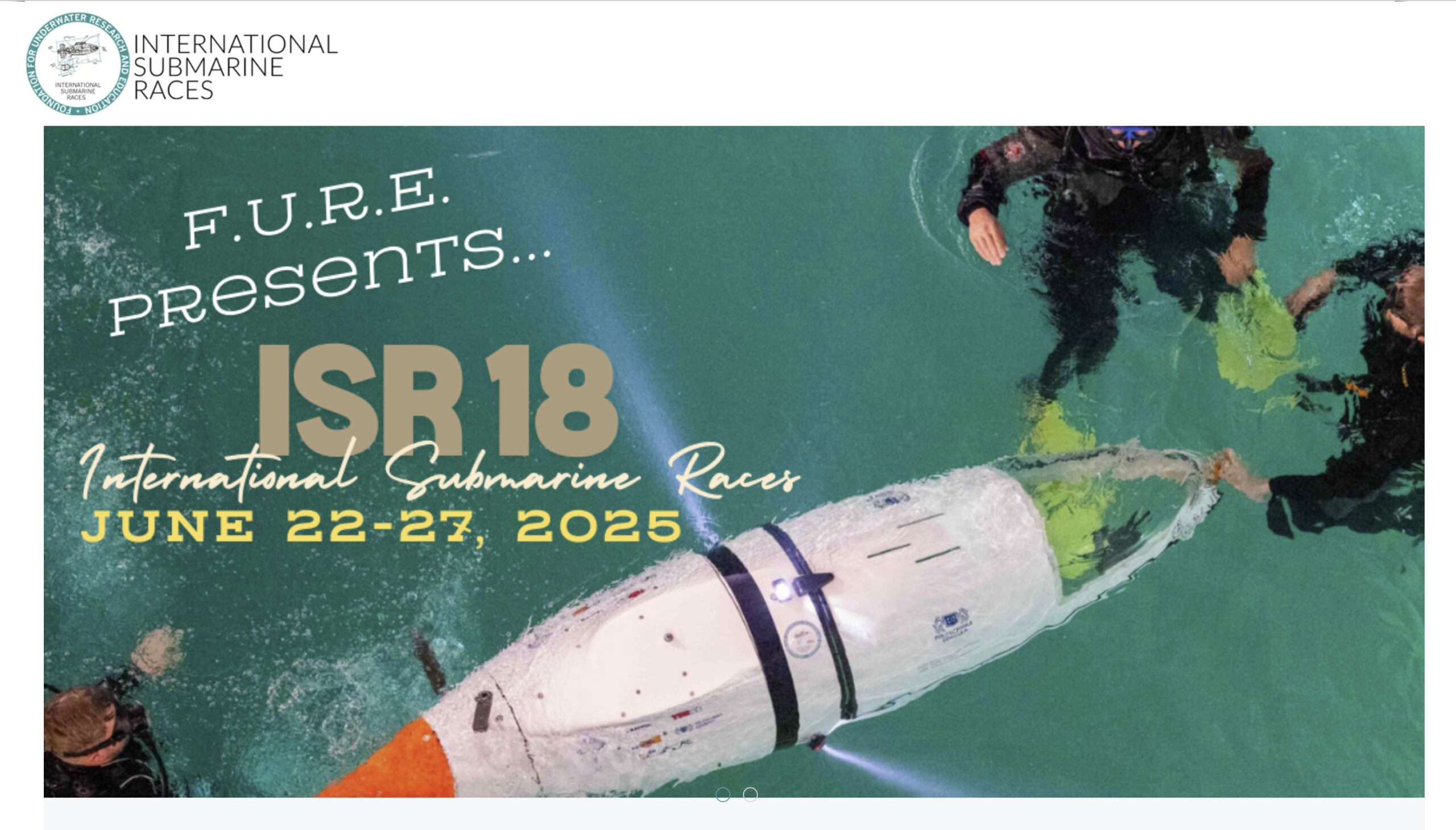
While military submarines continue to evolve, the spirit of underwater innovation has also inspired a remarkable civilian tradition. For more than 25 years, the International Submarine Races (ISR) have brought together student teams from around the world to design, build, and race human‑powered submarines.
The ISR challenges engineers, scientists, and students to push the boundaries of undersea design and human performance. Participating teams create sleek, efficient craft that must balance hydrodynamics, power, safety, and control — all under the surface of a racecourse. The event fosters innovation, education, and a passion for underwater technology, echoing the ingenuity that drove early submarine pioneers.
More than a competition, ISR reflects the legacy of submarining itself: daring exploration, technical excellence, and pushing into environments where humans are most challenged. As these student teams race beneath the waves, they embody the same spirit that began with the USS Holland and carried forward through decades of naval service.
Learn more about the races and participating teams at the International Submarine Races official site.
A Continuing Legacy
From the USS Holland’s modest beginnings to modern nuclear submarines, and from solemn wartime service to international technology competitions, the legacy of submarining runs deep. Whether in defense of a nation or in pursuit of engineering excellence, submariners and submarine innovators share a common thread: the courage to go where others do not, beneath the surface, toward new frontiers.