Two Zeros and the Years in the Middle: The Masterwork Years
Two Zeros and the Years in the Middle: The Masterwork Years.
You may read the title as 100… and that is part of it.
Two zeros with a one in front of them make 100. The zeros come from a pair of well-known books, Die with Zero by Bill Perkins and Zero to One by Peter Thiel. One tells you to finish at zero, and the other tells you to start there.
The one is yours to supply. It comes from the years both books leave out: the years in the middle, when your wisdom is active and the people around you can benefit from it now.
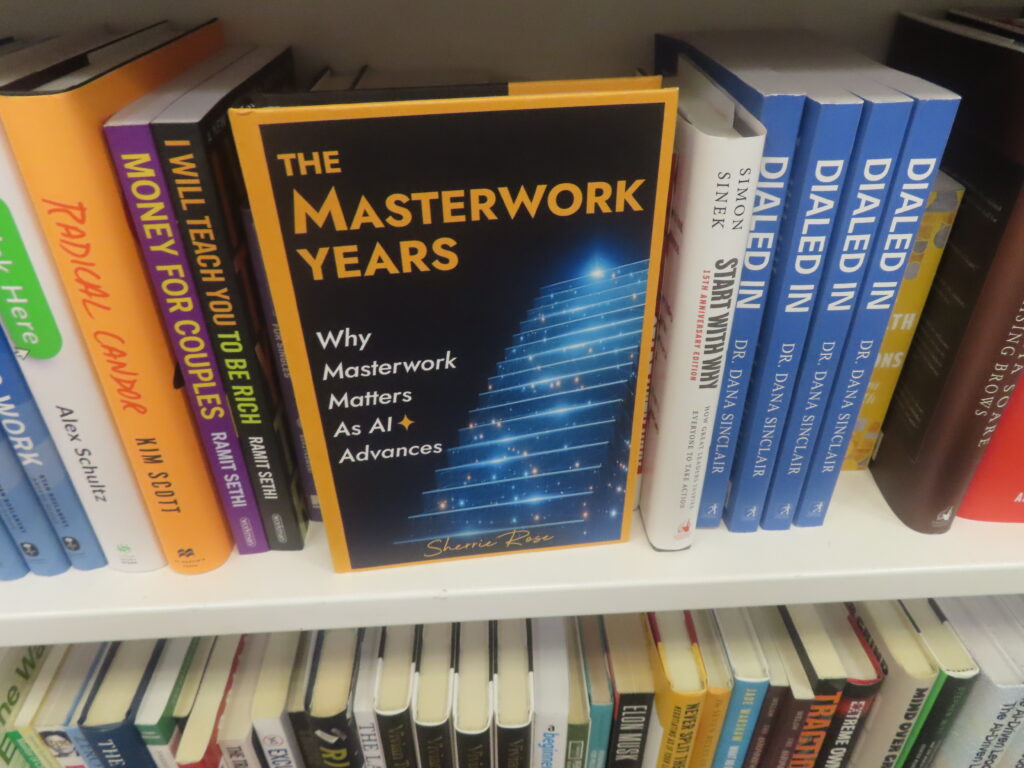
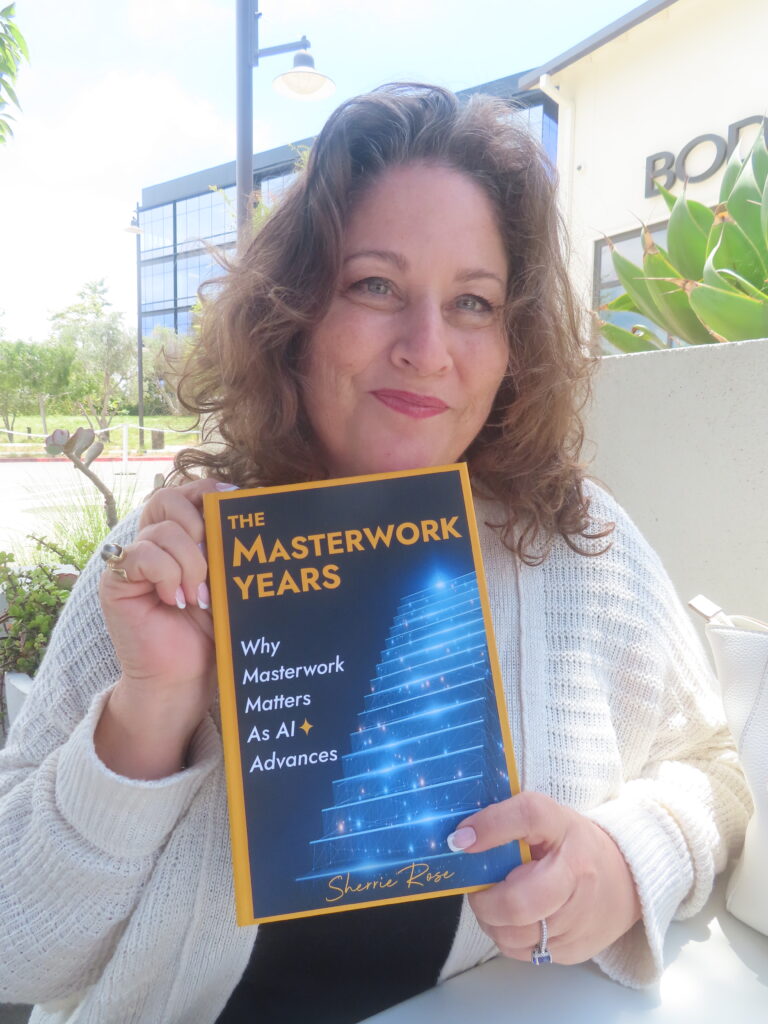
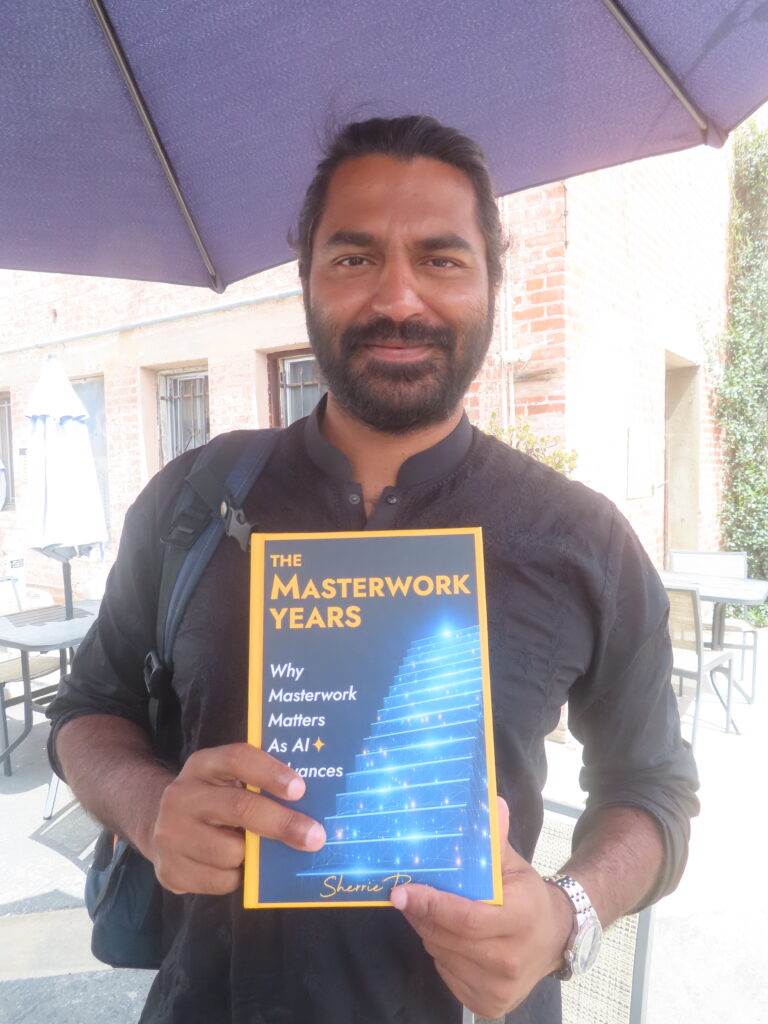
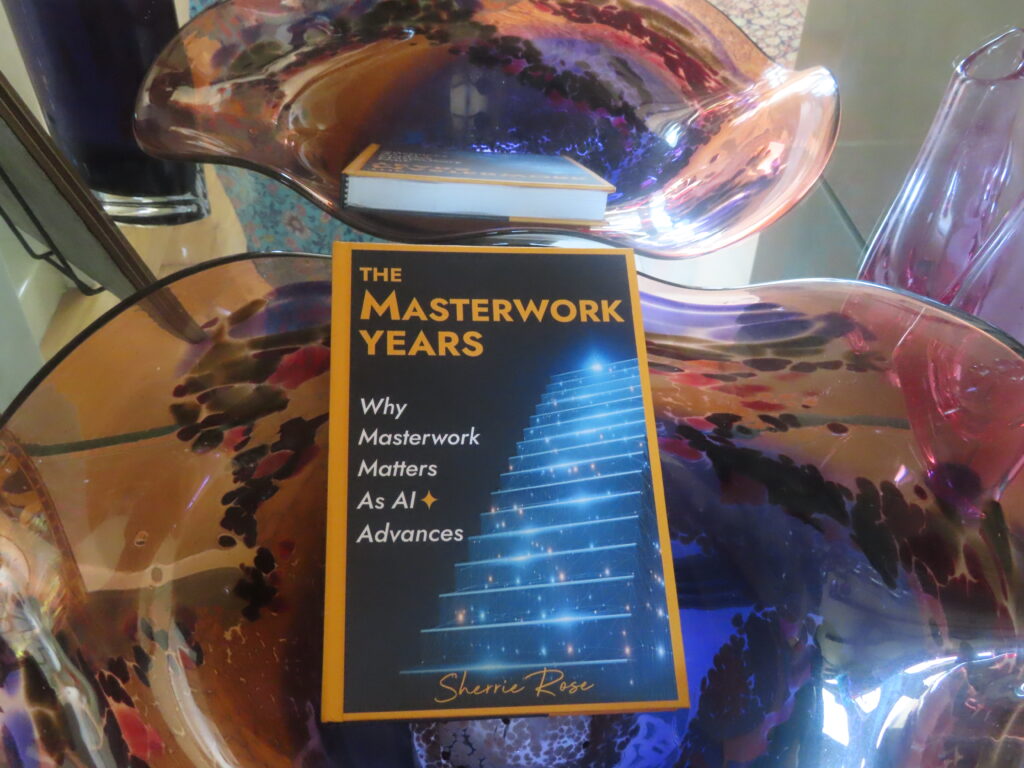
But why wrote about other books when this article is about promoting the launch of THE MASTERWORK YEARS: Why Masterwork Matters As AI Advances… read on…
The Zero at the Finish Line
Start with the finish line. In Die with Zero (2020), Bill Perkins argues that money is stored life energy, earned with time and effort, and that its value comes from what it lets you experience. The window for each experience moves. A trip taken early in your decades is a different trip later, after health and energy have changed, so waiting for the perfect moment can mean losing it.
Perkins calls the lasting value of an experience a memory dividend, because a meaningful trip or gathering keeps paying out for years in the stories it leaves behind. He even urges parents to give to their children while they are alive, when the gift can help them build their own lives.
On the clock, Perkins is right. His subtitle shows who the book is for, though: Getting All You Can from Your Money and Your Life. Die with Zero asks what your money can do for you. Sherrie Rose’s books ask what your wisdom can do for others. Same clock, different beneficiary.
What Carnegie Put on the Book Shelves
Perkins was not the first to argue for using wealth while you can direct it, and the earlier version pointed outward. In 1889, Andrew Carnegie published The Gospel of Wealth, best remembered for the line “The man who dies thus rich dies disgraced.” What he did next is the more useful part.
After selling his steel company in 1901, Carnegie gave away most of his fortune while he was alive to direct it. The best-known result is about 2,500 public libraries in towns across the United States, Britain and beyond.
Where Perkins aims the urgency at your own experiences, Carnegie aimed it at strangers, and he chose libraries: knowledge open to anyone who walked through the door. That comes close to what Masterwork does with wisdom. Carnegie’s gift was still money, though, and money is only one of the estates a person leaves.
The Zero at the Starting Line
Perkins and Carnegie were both thinking about what to do with a fortune once it is made. Peter Thiel’s Zero to One (2014, written with Blake Masters) looks at the beginning, yet its first line agrees with them about timing: “Every moment in business happens only once.”
Thiel separates two kinds of progress. Going from 1 to n copies what already exists and spreads it further, while going from 0 to 1 makes what did not exist before. Like Perkins, he writes for the individual. His reader is the founder, and the goal is a company that captures value for itself.
Move his idea from a company to a person’s decades and it opens a new direction. Each masterwork is a 0 to 1, as unique as the person who develops it, because it is drawn from decades of that person’s own experience. Others can learn from it and be changed by it, and still it cannot be copied.
The Years Both Zeros Skip
So one book covers the finish line and the other the starting line. Sherrie Rose calls the years when you are accomplished, active and still earning a livelihood the Masterwork Years. It is a stage, not an age, and its tagline tells you where it sits:
Between Livelihood & Legacy
—That’s Masterwork,
Where your Wisdom leaves its mark.™
This is where Carnegie’s estates come back in. A person leaves three of them: financial, digital and wisdom. Perkins and Carnegie dealt with the financial one, and wills and trusts look after it at the end. The wisdom estate runs on a different clock.
Your wisdom already exists, earned across decades. What you develop is your masterwork: value shared with others, drawn from your own experience and reaching people while you are here to see it. That is why your masterwork develops best with your wisdom in motion, and why the timing Perkins and Carnegie argued for applies to wisdom with even more force.
What an AI Machine Can’t Copy
There is a newer reason the timing counts, and it brings Thiel back in. Artificial intelligence is a powerful 1-to-N engine. It learns from what already exists and produces more of it, faster and at scale.
What it cannot produce is the 0 to 1 at the center of your masterwork: the call you made under pressure in a particular year, the client who changed how you saw your field, the lesson that took a decade to learn. Those come only from the person who lived them. Your wisdom.
This is the premise of The Masterwork Years: Why Masterwork Matters as AI Advances. As AI machines copy more of what is already known, wisdom drawn from lived decades becomes harder to replace and more useful to the people it reaches. Which brings the story back to those people, and to the number hidden in the title of this article.
Who Will Be at Your 100th?
Sherrie Rose makes that number personal. Many people have done the exercise of imagining their own eulogy and what others will say about them. That exercise starts from fear. In her previous book, Sherrie asks you to plan your 100th birthday celebration instead: who is there, what they say to your face, and what you have shared with them by then. Her version starts from vision.
Planning that celebration is a gift to the people you love, and it changes the choices you make this year. It is Relationship Riches in practice. The Real Currency is Relationship Riches, an investment in others and in yourself that compounds for both.
The people you want at that celebration are the first your masterwork reaches, and you get to see it reach them. You start well before the 100th birthday because wisdom has a half-life and masterwork makes it whole.
The Celebration You Plan Now
Set the four voices next to each other and they share a clock. Perkins wants you to finish at zero, Thiel wants you to start from zero, and Carnegie wanted his fortune to reach strangers while he could still direct it. Sherrie Rose turns to the years between livelihood and legacy and asks you, at the minimum, to decide what your wisdom will do for others while you are active.
Perkins and Thiel supply the zeros. The one in front is yours: your masterwork, drawn from decades of your own experience, the contribution only you can make. Put it in place and two zeros become 100.
Sherrie posed this question and it is worth repeating: who would you want at your 100th birthday, and what would you want them to have received from you by then?
The Masterwork Years: Why Masterwork Matters as AI Advances
by author Sherrie Rose. Available November 18 at masterworkyears.com/book